
Structural and heat damage
Framing, roofing, finishes, wiring, and mechanical systems may be weakened or unsafe even when damage is not obvious from the doorway.
Emergency board-up, debris removal, water mitigation, soot cleanup, and full restoration after a fire.
You do not need to diagnose the full extent yourself. Keep people away from unsafe areas, avoid disturbing damaged materials, and call so the situation can be assessed correctly.
Talk to the response team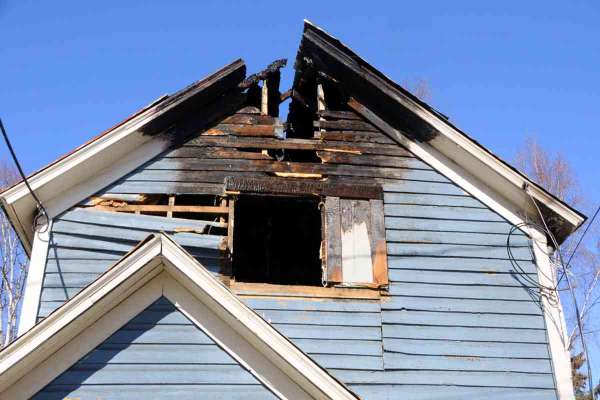
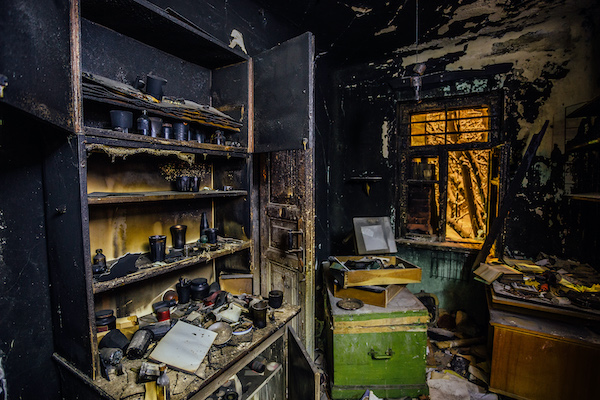
The visible burn area is only part of the loss. Heat, smoke, corrosive soot, fire-suppression water, exposed openings, and damaged contents each need a coordinated response.
Framing, roofing, finishes, wiring, and mechanical systems may be weakened or unsafe even when damage is not obvious from the doorway.
Acidic residue can discolor, pit, or corrode surfaces. The residue type and affected material determine the correct cleaning method.
Water used to extinguish a fire can saturate floors, walls, ceilings, and insulation, creating a second loss that needs immediate drying.
Board-up, roof tarping, and temporary protection help secure the property from weather, animals, and unauthorized entry.
Belongings are evaluated for salvageability, documented, cleaned when possible, and packed out when the structure is not ready for safe storage.
Cleanup and repairs stay connected so the documented mitigation scope can move into rebuilding without starting over with an unrelated team.
The work is organized around four outcomes that protect the property and make the path forward easier to understand.
Every loss is different, but the communication should always be direct and the scope should always be documented.
Identify the source, safety concerns, affected materials, and what needs immediate action.
Contain or secure the area, stop ongoing damage where possible, and protect unaffected spaces.
Remove, clean, dry, repair, or rebuild according to the conditions found on site.
Confirm the work, organize documentation, and walk through the completed scope with you.
A fire-damaged structure can remain dangerous. Wait for official clearance and avoid actions that spread residue or compromise the claim record.
Call 404-267-3647Do not re-enter until the fire department or fire marshal says the structure is safe.
Keep the HVAC system off so soot is not circulated through additional rooms.
Do not wipe walls, electronics, furniture, or fixtures with ordinary cleaners.
Arrange board-up or tarping quickly when windows, doors, or the roof are open.
Photograph safe exterior views and preserve notices, receipts, and emergency-service records.
Still unsure? Call the response line and tell us what happened. A quick conversation can make the next step much clearer.
Call 404-267-3647Only after the fire department or fire marshal has cleared the structure. Even then, unstable materials, soot, and contaminated water may still be present.
No. Improper cleaning can spread residue or permanently set staining. Different soot types require different cleaning methods.
E and K Restore coordinates emergency stabilization, cleanup, drying, contents, and reconstruction so the project stays with one restoration team.
One call connects you with a real person who can help you understand the next step.