
Visible growth
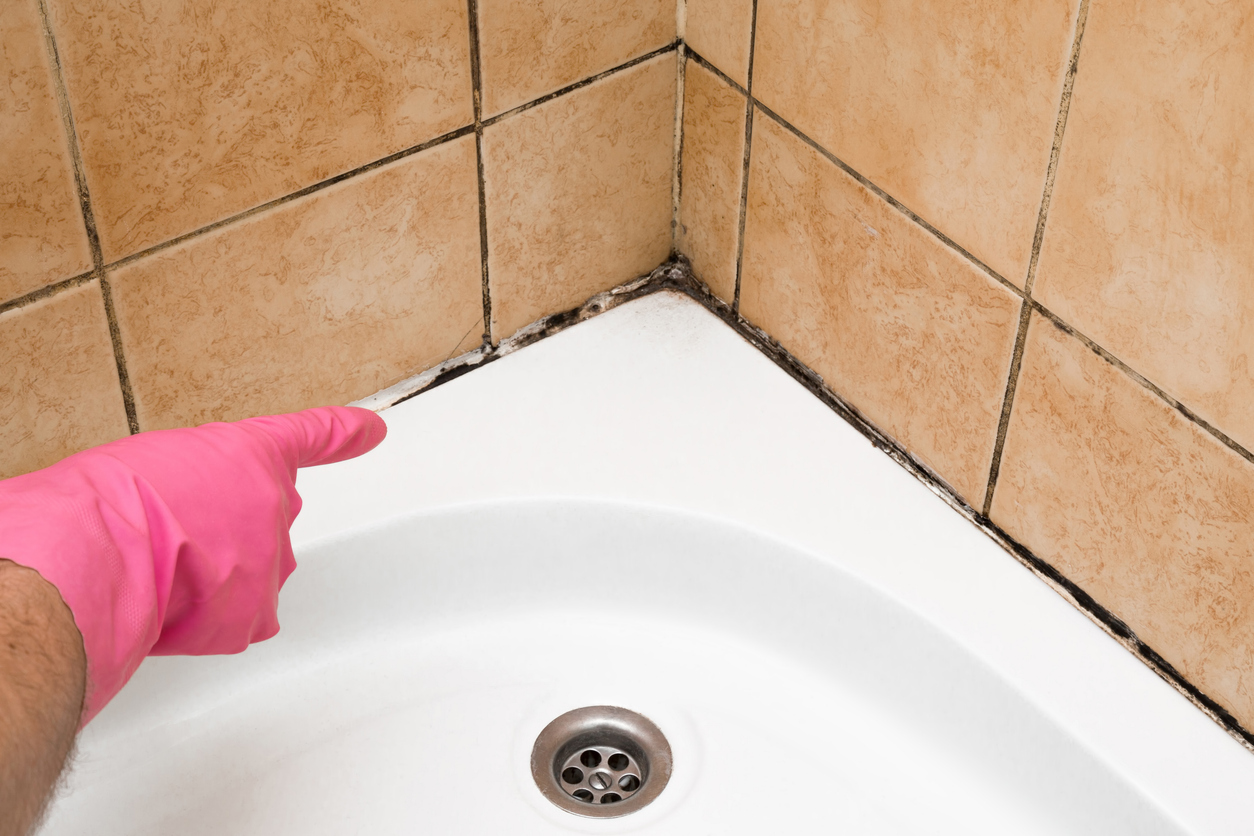
Discoloration or fuzzy growth on drywall, wood, ceilings, trim, or contents can indicate an active or previous moisture problem.
Moisture-source identification, containment, removal, cleaning, and prevention-focused remediation.
You do not need to diagnose the full extent yourself. Keep people away from unsafe areas, avoid disturbing damaged materials, and call so the situation can be assessed correctly.
Talk to the response team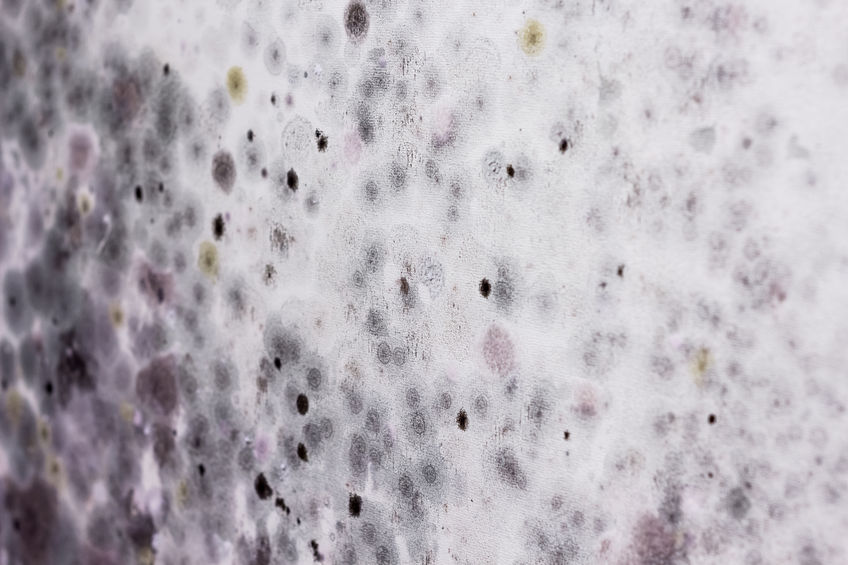
Mold remediation begins by finding the water or humidity condition that allowed growth. The work area is then contained so removal does not spread spores into unaffected rooms.
Discoloration or fuzzy growth on drywall, wood, ceilings, trim, or contents can indicate an active or previous moisture problem.
A persistent earthy smell may point to growth behind cabinets, wall finishes, flooring, insulation, or other concealed materials.
Leaks, flooding, sewage, wet crawl spaces, and materials that stayed damp longer than 24 to 48 hours can support growth.
Meters and targeted inspection help trace the source and identify materials that are still wet or were affected beyond the visible area.
Polyethylene barriers, negative air, and HEPA filtration help keep spores and dust from moving into clean areas during removal.
Affected porous materials may need removal, while appropriate remaining surfaces are cleaned and treated after the moisture source is corrected.
The work is organized around four outcomes that protect the property and make the path forward easier to understand.
Every loss is different, but the communication should always be direct and the scope should always be documented.
Identify the source, safety concerns, affected materials, and what needs immediate action.
Contain or secure the area, stop ongoing damage where possible, and protect unaffected spaces.
Remove, clean, dry, repair, or rebuild according to the conditions found on site.
Confirm the work, organize documentation, and walk through the completed scope with you.
The safest temporary step is usually to limit disturbance and control the moisture source when that can be done without entering the affected area.
Call 404-267-3647Do not scrub, sand, cut, or pull apart mold-affected materials.
Do not point household fans at visible growth or run equipment that moves air through the area.
Keep doors closed and limit access by children, pets, and sensitive occupants.
Stop an accessible leak or reduce humidity only when it can be done safely.
Photograph visible conditions and note recent leaks, odors, or moisture events for the assessment.
Still unsure? Call the response line and tell us what happened. A quick conversation can make the next step much clearer.
Call 404-267-3647Bleach may change the appearance of some surface growth, but it does not solve hidden moisture or safely remove contamination from many porous materials.
Musty odors, previous leaks, staining, soft drywall, and elevated moisture can indicate hidden growth. A professional assessment helps narrow the source.
It can if moisture returns. The remediation plan should include correcting the leak, humidity, drainage, or ventilation condition that allowed growth.
One call connects you with a real person who can help you understand the next step.