
Photo and item inventory
Rooms, boxes, and individual items are organized and documented so belongings can be tracked through removal, cleaning, storage, and return.
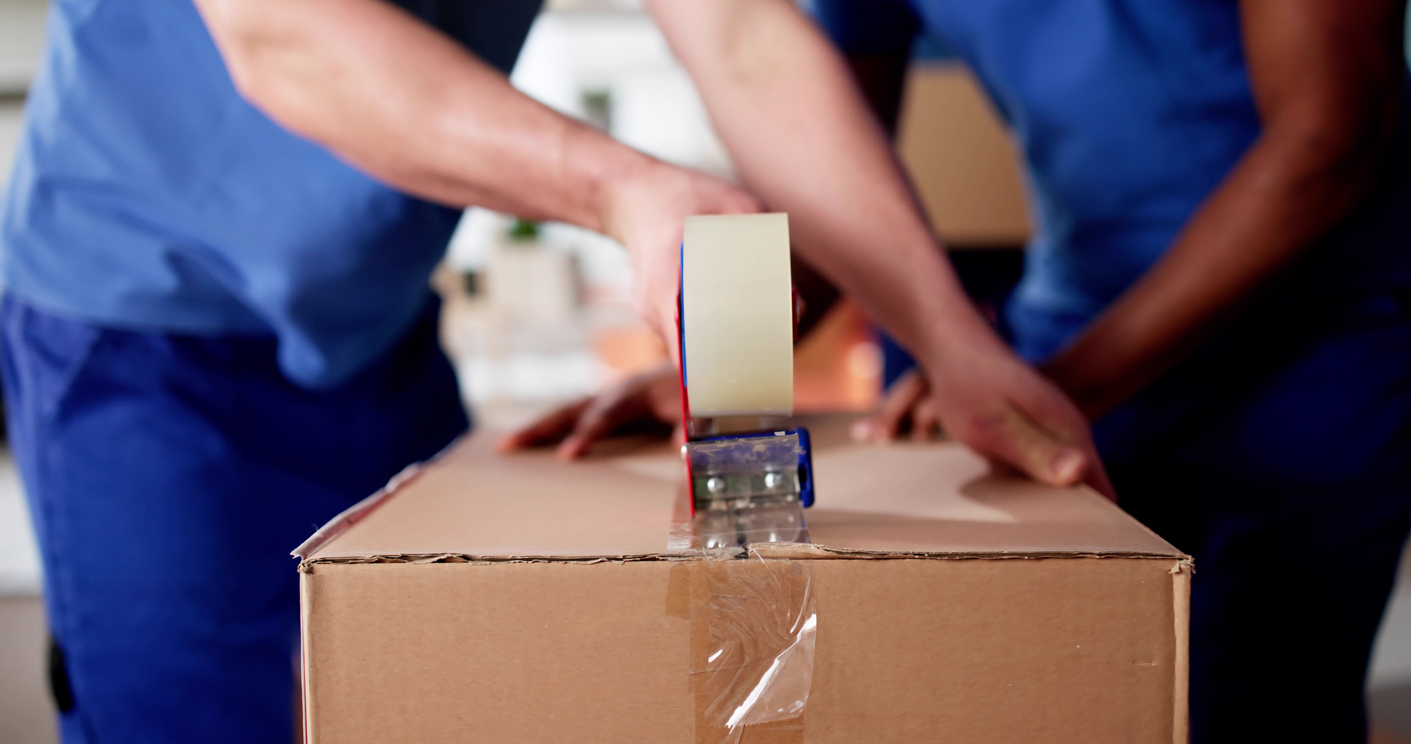
Detailed inventory, careful packing, cleaning, secure storage, and coordinated return of salvageable belongings.
You do not need to diagnose the full extent yourself. Keep people away from unsafe areas, avoid disturbing damaged materials, and call so the situation can be assessed correctly.
Talk to the response team
A professional pack-out protects belongings from continuing water, smoke, mold, construction dust, or contamination while giving the restoration team room to work safely inside the property.
Rooms, boxes, and individual items are organized and documented so belongings can be tracked through removal, cleaning, storage, and return.
Material, contamination, heat, moisture exposure, condition, and replacement value help determine whether an item can be restored.
Textiles, hard goods, furniture, electronics, documents, and sentimental items may require different vendors, equipment, or treatment methods.
Items that cannot be safely or reasonably restored are recorded before disposal decisions are finalized for the claim.
Packed belongings are moved to controlled storage while mitigation, specialty cleaning, and reconstruction continue at the property.
Cleaned items are returned after the building is ready, with timing and placement organized around the completed repair schedule.
The work is organized around four outcomes that protect the property and make the path forward easier to understand.
Every loss is different, but the communication should always be direct and the scope should always be documented.
Identify the source, safety concerns, affected materials, and what needs immediate action.
Contain or secure the area, stop ongoing damage where possible, and protect unaffected spaces.
Remove, clean, dry, repair, or rebuild according to the conditions found on site.
Confirm the work, organize documentation, and walk through the completed scope with you.
Quick disposal can erase information the property owner and insurance carrier may need later.
Call 404-267-3647Do not throw away damaged items before their condition is photographed and inventoried.
Identify medications, legal papers, work equipment, heirlooms, and other high-priority items for the contents team.
Avoid moving soot-covered or contaminated belongings through clean rooms.
Tell the team about fragile, high-value, or unusually stored items before packing begins.
Keep receipts for emergency purchases and temporary replacement items.
Still unsure? Call the response line and tell us what happened. A quick conversation can make the next step much clearer.
Call 404-267-3647Items are organized and documented during packing so they can be located, evaluated, cleaned, stored, and returned in a controlled process.
Non-salvageable items are documented before disposal decisions are made, helping preserve the record needed for the insurance claim.
Packed items are moved to secure storage while restoration work is completed, then returned in coordination with the project schedule.
One call connects you with a real person who can help you understand the next step.