
Hail damage
Hail may bruise shingles, fracture surface materials, dent vents and flashing, and create leak paths that are difficult to see from the ground.
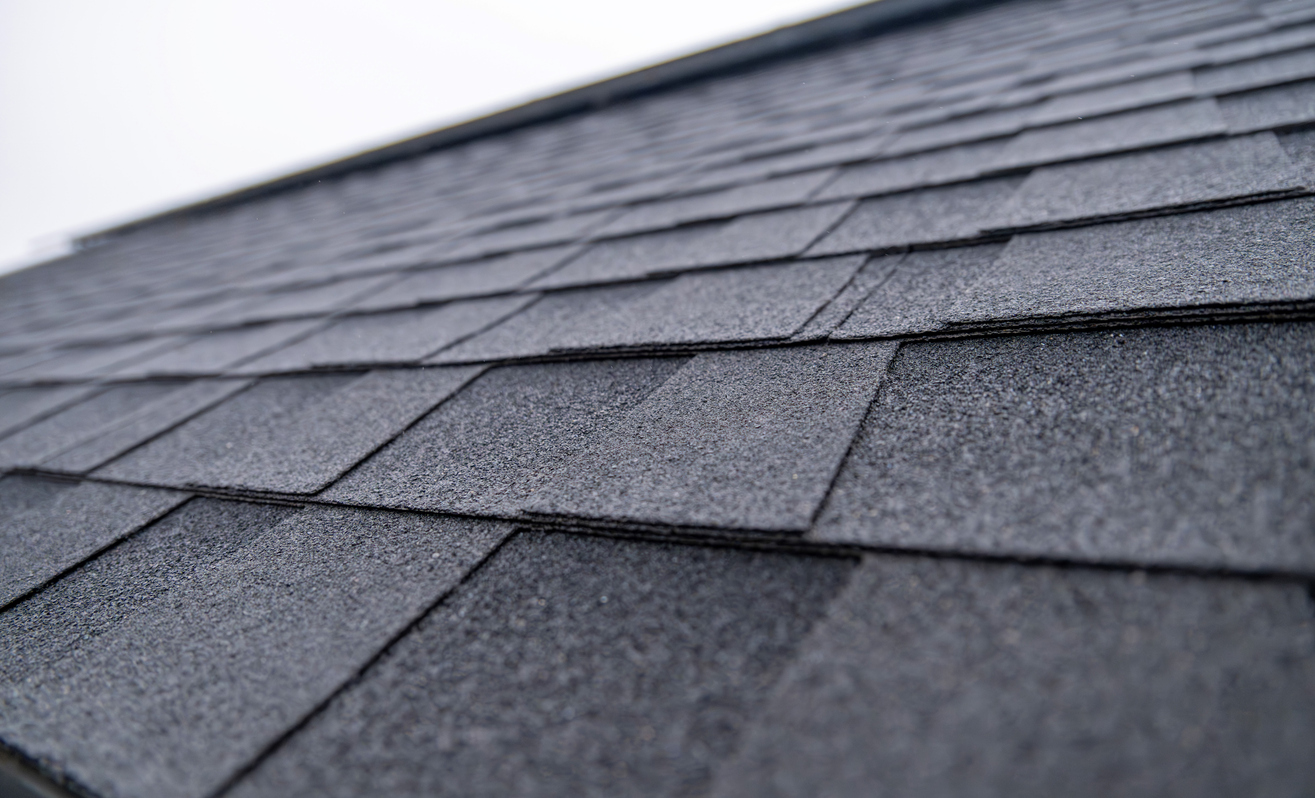
Emergency tarping, storm inspections, roof repair or replacement, and interior restoration through one team.
You do not need to diagnose the full extent yourself. Keep people away from unsafe areas, avoid disturbing damaged materials, and call so the situation can be assessed correctly.
Talk to the response team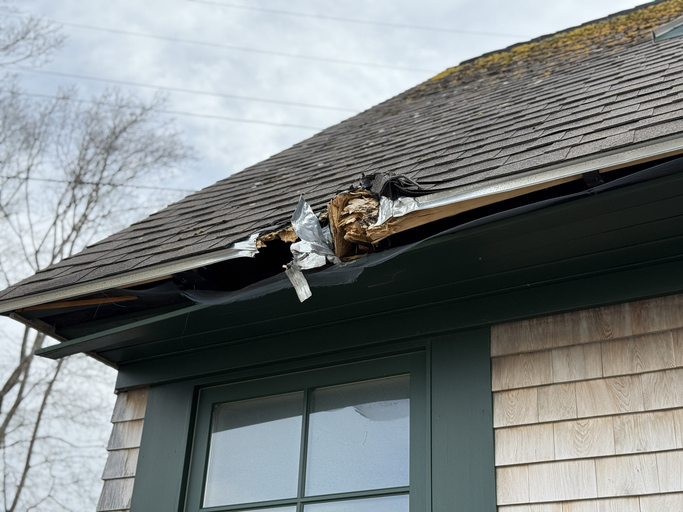
Roof damage can involve flashing, vents, decking, insulation, ceilings, walls, and contents. A restoration-led roofing assessment follows the leak path indoors and keeps emergency protection, roofing, drying, and repairs connected.
Hail may bruise shingles, fracture surface materials, dent vents and flashing, and create leak paths that are difficult to see from the ground.
Wind can lift or remove shingles, ridge caps, edge metal, flashing, soffit, fascia, and pipe boots.
Temporary protection helps close active openings and reduce additional interior damage while the full repair scope is documented.
Localized repairs may address missing shingles, flashing failures, damaged vents, penetrations, and other repairable conditions.
When damage or roof condition makes spot repair impractical, the scope may include architectural asphalt, metal, or another appropriate system.
Flat and low-slope roofs may require TPO, modified bitumen, or system-specific inspection and repair methods.
The work is organized around four outcomes that protect the property and make the path forward easier to understand.
Every loss is different, but the communication should always be direct and the scope should always be documented.
Identify the source, safety concerns, affected materials, and what needs immediate action.
Contain or secure the area, stop ongoing damage where possible, and protect unaffected spaces.
Remove, clean, dry, repair, or rebuild according to the conditions found on site.
Confirm the work, organize documentation, and walk through the completed scope with you.
Most storm damage should be inspected from a ladder or roof only by trained professionals with the right safety equipment.
Call 404-267-3647Stay off the roof, especially when it is wet, steep, soft, or affected by trees or electrical hazards.
Photograph visible exterior conditions from the ground and interior staining from a safe room.
Place a container beneath an interior drip only when the ceiling and nearby electrical fixtures are stable.
Arrange temporary protection quickly and keep its photos, scope, and receipts.
Report interior water, not only exterior shingle damage, so the full loss can be assessed.
Still unsure? Call the response line and tell us what happened. A quick conversation can make the next step much clearer.
Call 404-267-3647Both. The recommendation depends on damage extent, roof condition, repairability, and the requirements of the insurance scope.
Yes. That is a key advantage of working with a full restoration company: the roof and the resulting interior damage can be coordinated together.
Response depends on storm volume, safety, and travel conditions. Call the 24/7 line so the team can assess availability and protect the opening as soon as possible.
One call connects you with a real person who can help you understand the next step.