
Wind and structural movement
High winds can lift roofing, damage siding, rack openings, and weaken framing or attachments.
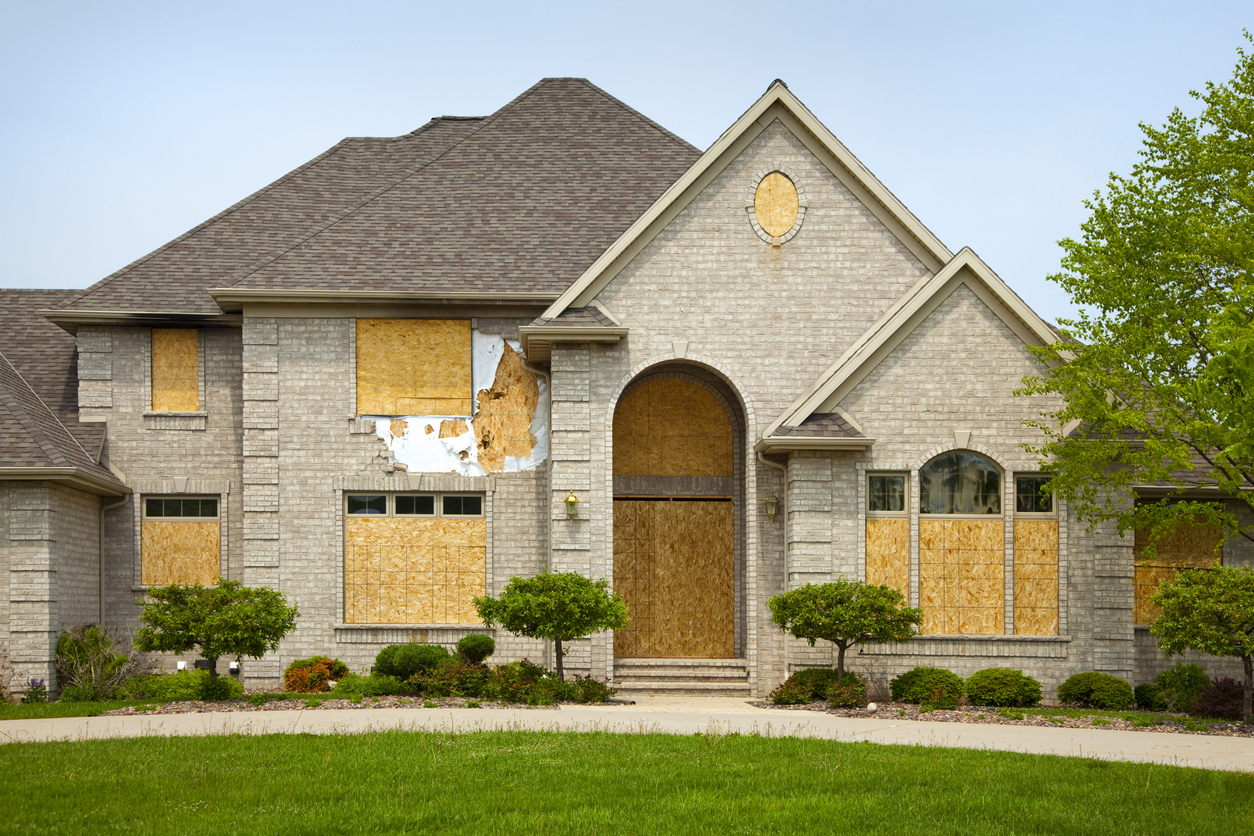
Emergency tarping, board-up, debris removal, water mitigation, and repairs after wind, hail, or fallen trees.
You do not need to diagnose the full extent yourself. Keep people away from unsafe areas, avoid disturbing damaged materials, and call so the situation can be assessed correctly.
Talk to the response team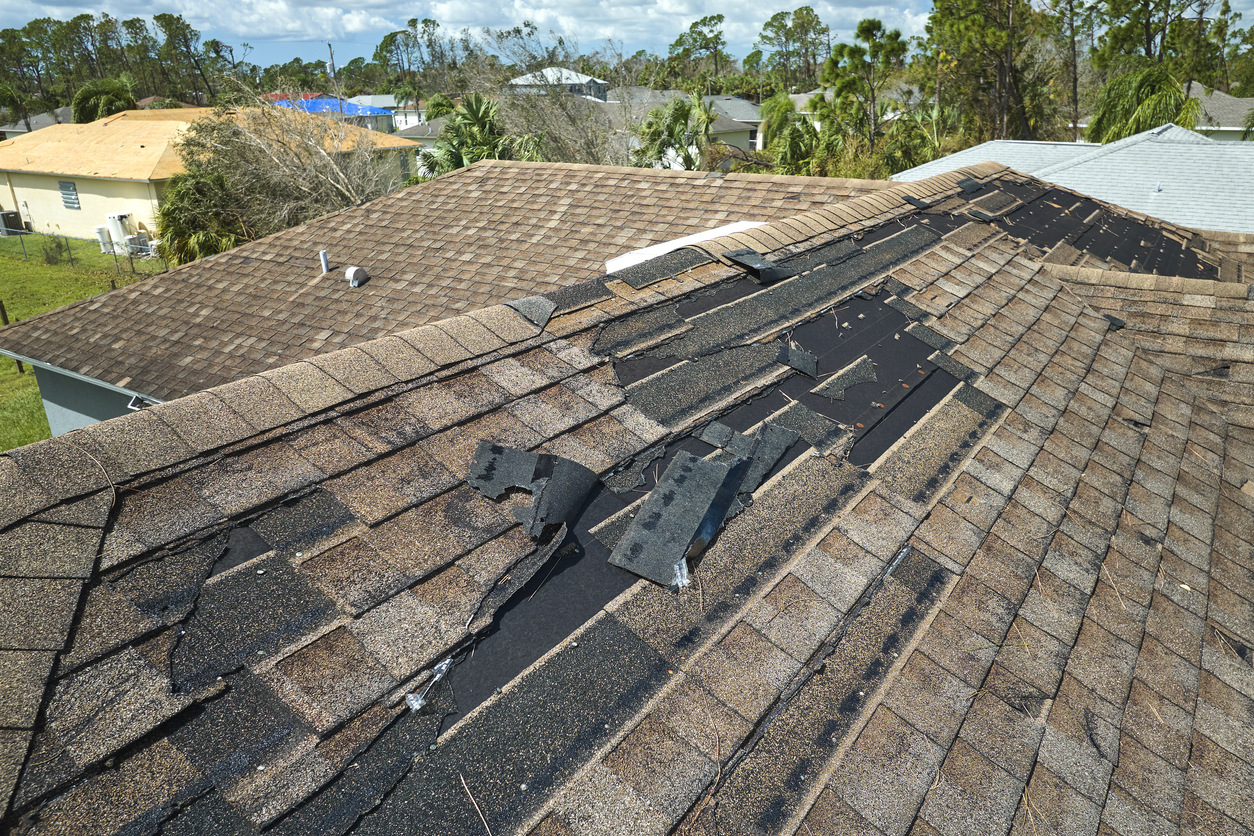
Wind, hail, trees, rain, and lightning can affect the roof, exterior, structure, utilities, and interior at the same time. Stabilization starts with the immediate hazard and follows the water or impact through the building.
High winds can lift roofing, damage siding, rack openings, and weaken framing or attachments.
Impact damage may create unstable limbs, broken glazing, punctured roofing, and hidden structural stress.
Hail can bruise shingles, damage flashing and vents, and create leak paths that are not obvious from the ground.
A small exterior opening can spread moisture into decking, insulation, ceilings, walls, floors, and contents during later rainfall.
Lightning can damage electrical systems, start hidden fires, and create hazards that require emergency responders or utility professionals.
Tarping, board-up, water extraction, and debris control help prevent the next rain or wind event from expanding the loss.
The work is organized around four outcomes that protect the property and make the path forward easier to understand.
Every loss is different, but the communication should always be direct and the scope should always be documented.
Identify the source, safety concerns, affected materials, and what needs immediate action.
Contain or secure the area, stop ongoing damage where possible, and protect unaffected spaces.
Remove, clean, dry, repair, or rebuild according to the conditions found on site.
Confirm the work, organize documentation, and walk through the completed scope with you.
Stay clear of anything that may move, fall, conduct electricity, or conceal structural damage.
Call 404-267-3647Call 911 or the utility provider for downed lines, fire, gas odor, or immediate structural danger.
Do not climb onto the roof or walk beneath damaged trees and overhangs.
Photograph exterior damage from the ground and interior damage from stable, dry areas.
Place containers beneath active drips only when the area is electrically and structurally safe.
Keep records for tarping, board-up, and other reasonable emergency protection.
Still unsure? Call the response line and tell us what happened. A quick conversation can make the next step much clearer.
Call 404-267-3647Stay clear of the damaged area, watch for downed power lines, and call emergency services if there is an immediate safety risk. Then arrange stabilization.
Yes. E and K Restore can coordinate roof stabilization, water mitigation, interior restoration, and reconstruction.
Preventing additional damage is usually an important first step. Keep photos and receipts, and avoid permanent repairs until the loss is properly documented.
One call connects you with a real person who can help you understand the next step.