
Burst or broken pipes
A sudden supply-line or plumbing failure can release a large volume of water and drive moisture behind baseboards, into wall cavities, and beneath finished floors.
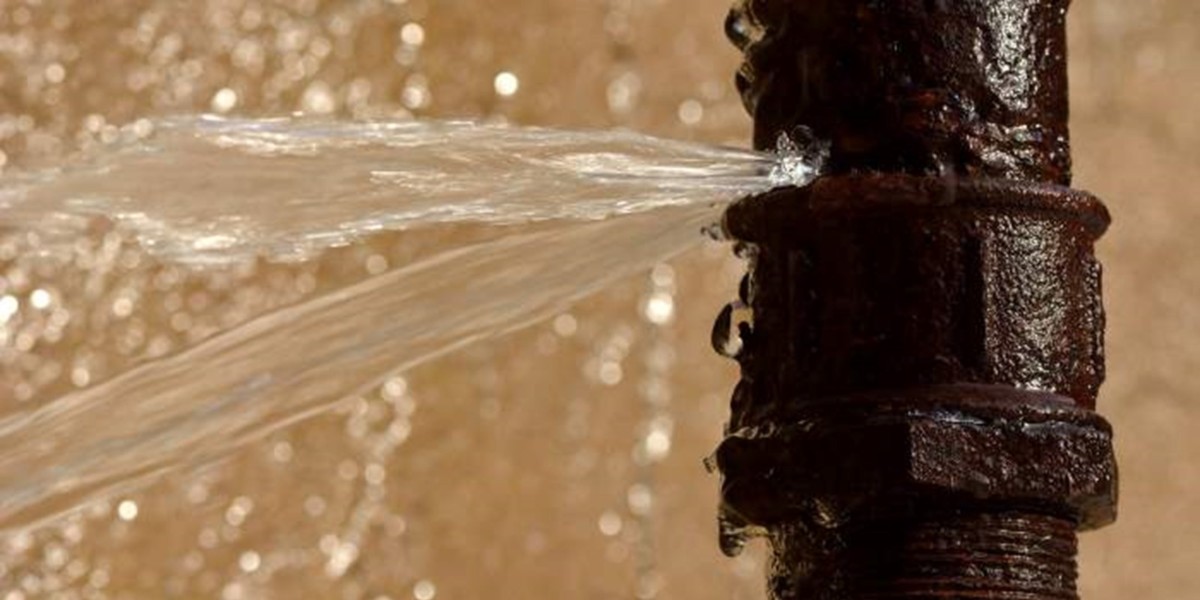
Rapid extraction, structural drying, moisture monitoring, and clear documentation after leaks or burst pipes.
You do not need to diagnose the full extent yourself. Keep people away from unsafe areas, avoid disturbing damaged materials, and call so the situation can be assessed correctly.
Talk to the response team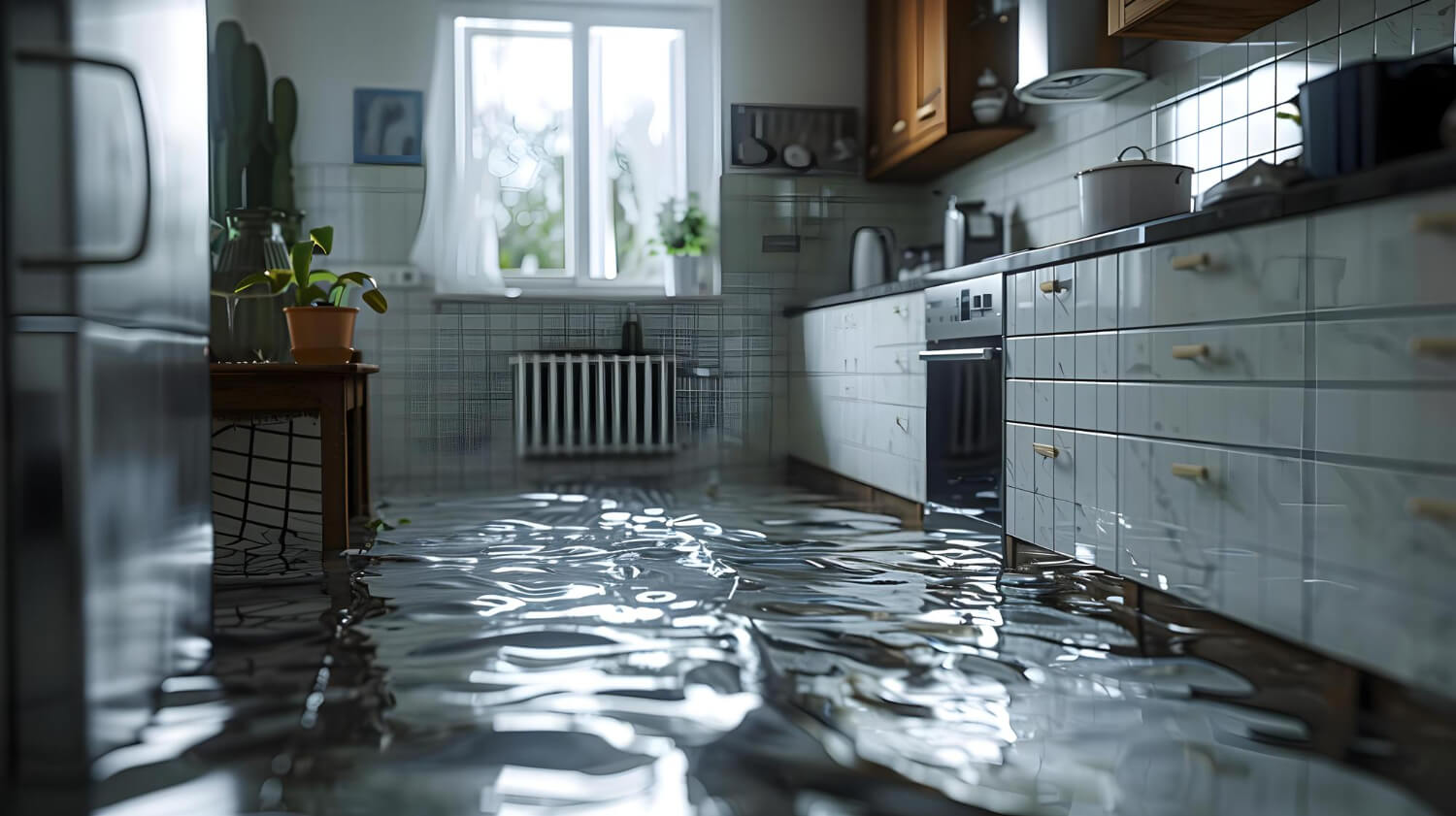
Water that looks similar on the floor can require very different safety, removal, and drying decisions. The first assessment identifies where it came from, how far it traveled, and which materials absorbed it.
A sudden supply-line or plumbing failure can release a large volume of water and drive moisture behind baseboards, into wall cavities, and beneath finished floors.
Roof, shower, appliance, or plumbing leaks may remain unnoticed while drywall, cabinets, insulation, subfloors, and framing continue to absorb moisture.
Water from a sanitary supply source may begin as Category 1, but it can deteriorate after contacting building materials or sitting too long.
Water from appliances or other sources may contain enough contamination to require added precautions and material-specific cleaning.
Sewage, rising floodwater, and other highly contaminated sources require containment, protective equipment, and removal of materials that cannot be safely restored.
Professional extraction, air movement, dehumidification, and repeat moisture readings continue until the affected structure—not just the visible surface—is dry.
The work is organized around four outcomes that protect the property and make the path forward easier to understand.
Every loss is different, but the communication should always be direct and the scope should always be documented.
Identify the source, safety concerns, affected materials, and what needs immediate action.
Contain or secure the area, stop ongoing damage where possible, and protect unaffected spaces.
Remove, clean, dry, repair, or rebuild according to the conditions found on site.
Confirm the work, organize documentation, and walk through the completed scope with you.
Protect people first. Only take the steps below when conditions are stable and you can do so without entering standing water or touching electrical equipment.
Call 404-267-3647Shut off the water source if it is accessible and safe.
Keep away from sagging ceilings, wet electrical fixtures, and visibly unstable materials.
Move easy-to-reach valuables from dry areas without disturbing wet building materials.
Photograph visible damage from a safe location, but do not delay water extraction while waiting for an adjuster.
Avoid household fans when the water source may be contaminated.
Still unsure? Call the response line and tell us what happened. A quick conversation can make the next step much clearer.
Call 404-267-3647Immediately. Porous materials absorb water quickly, and mold may begin developing within 24 to 48 hours under the right conditions.
Yes. The team documents affected areas, moisture readings, mitigation work, and the restoration scope so you have organized records for your carrier.
It depends on the source, affected area, and safety conditions. The on-site assessment will determine what is safe and explain the next step clearly.
One call connects you with a real person who can help you understand the next step.