Main-line backup
Roots, grease, debris, damaged piping, or municipal overload can force waste back through the lowest drains in a property.
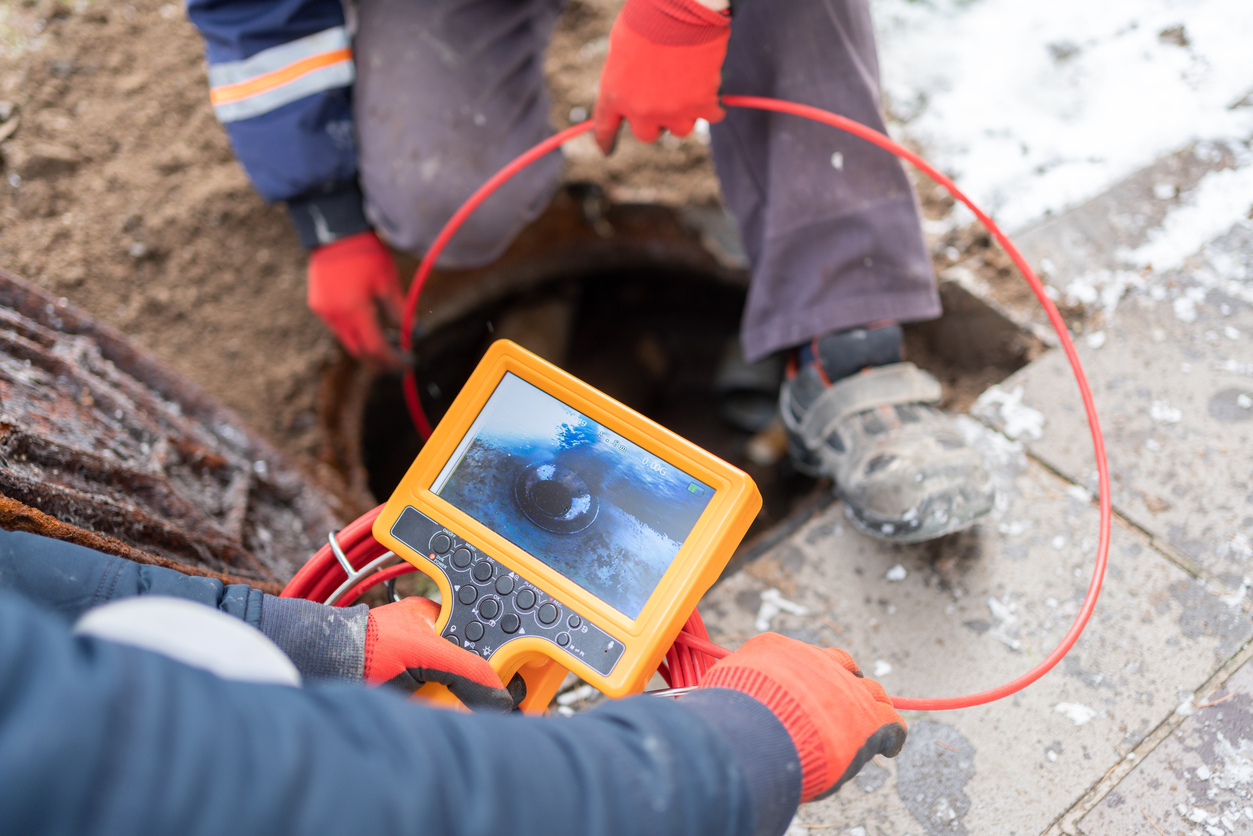
Containment, extraction, removal, disinfection, drying, and documentation after a sewage backup or overflow.
You do not need to diagnose the full extent yourself. Keep people away from unsafe areas, avoid disturbing damaged materials, and call so the situation can be assessed correctly.
Talk to the response team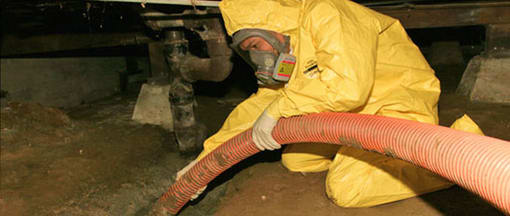
A sewage backup is treated as Category 3 water because it may contain pathogens and harmful contaminants. Cleanup requires isolation, protective equipment, extraction, material removal, cleaning, disinfection, air filtration, and drying.
Roots, grease, debris, damaged piping, or municipal overload can force waste back through the lowest drains in a property.
A blockage or system failure can spread contaminated water quickly through bathrooms, adjacent rooms, and lower levels.
Failed sump, lift, or sewage-ejector equipment may allow wastewater to rise into basements, crawl spaces, or utility areas.
Carpet pad, insulation, some drywall, and other absorbent materials may not be safely restorable after direct sewage contact.
Air scrubbers help capture airborne particles while contaminated materials are handled inside a controlled work area.
Remaining structural surfaces are cleaned with appropriate agents, dried, and documented before repairs begin.
The work is organized around four outcomes that protect the property and make the path forward easier to understand.
Every loss is different, but the communication should always be direct and the scope should always be documented.
Identify the source, safety concerns, affected materials, and what needs immediate action.
Contain or secure the area, stop ongoing damage where possible, and protect unaffected spaces.
Remove, clean, dry, repair, or rebuild according to the conditions found on site.
Confirm the work, organize documentation, and walk through the completed scope with you.
Do not treat sewage like an ordinary spill, even when the affected area looks small.
Call 404-267-3647Keep everyone without protective equipment out of the affected area.
Turn off HVAC serving the area only when the controls are safely accessible from a clean location.
Do not mop, sweep, use a shop vacuum, or carry wet items through clean rooms.
Call a plumber for the source and a restoration team for the affected property and contents.
Document conditions from outside the contaminated zone and avoid discarding items before they are recorded.
Still unsure? Call the response line and tell us what happened. A quick conversation can make the next step much clearer.
Call 404-267-3647A small clean-water overflow is different from a sewage loss. Sewage cleanup requires protective equipment, containment, removal, and disinfection procedures.
Highly porous materials that absorbed sewage—such as carpet pad, insulation, and some drywall—often cannot be safely restored. Each material is assessed on site.
After contaminated materials are removed, surfaces are cleaned, the structure is dry, and the restoration team confirms the area is ready for the next phase.
One call connects you with a real person who can help you understand the next step.