
Storm and surface runoff
Heavy rain can push contaminated surface water through doors, vents, garages, crawl spaces, and low points around the foundation.
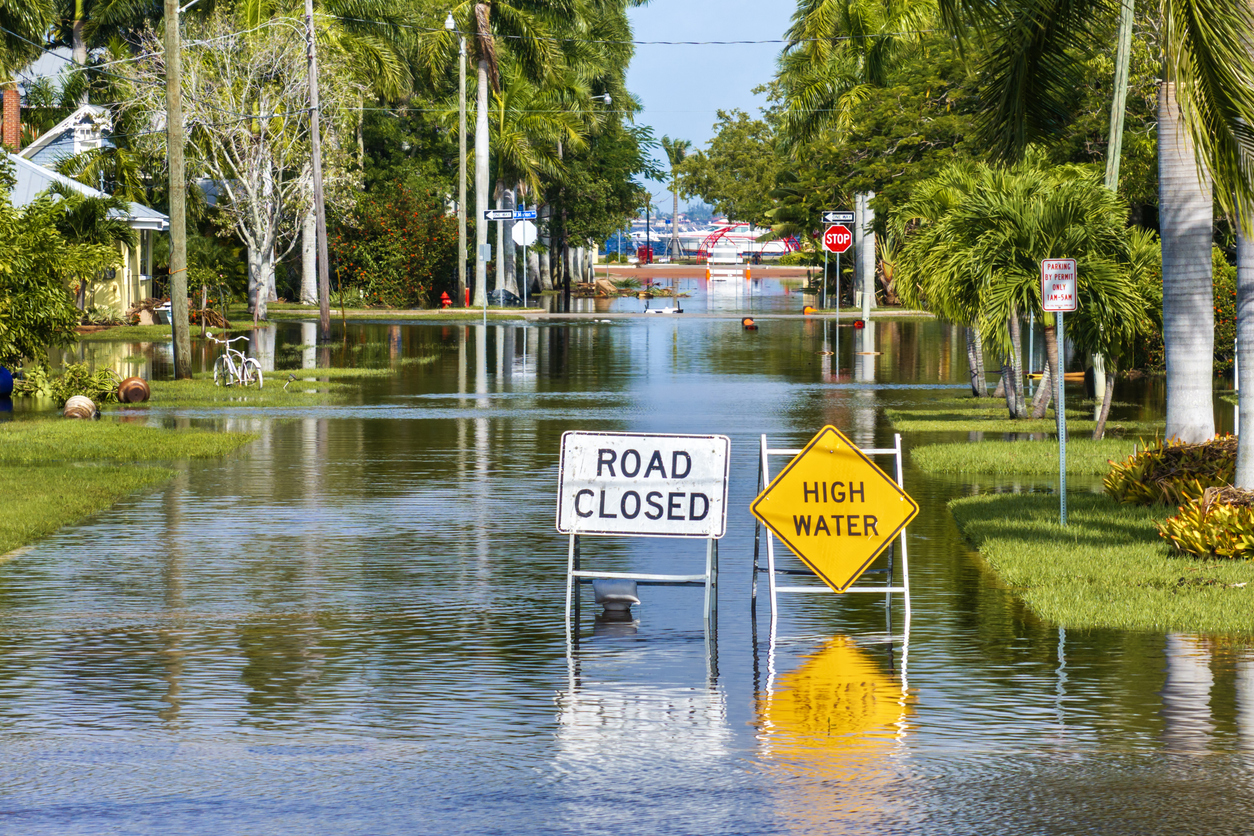
Flood-water extraction, contamination assessment, drying, and cleanup for homes and commercial properties.
You do not need to diagnose the full extent yourself. Keep people away from unsafe areas, avoid disturbing damaged materials, and call so the situation can be assessed correctly.
Talk to the response team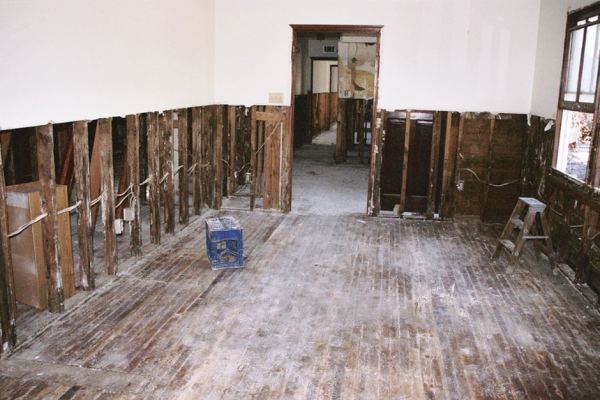
Water entering from outdoors may carry bacteria, sewage, chemicals, sediment, and debris. Classifying the water before cleanup determines how the area is contained, what can be cleaned, and what must be removed.
Heavy rain can push contaminated surface water through doors, vents, garages, crawl spaces, and low points around the foundation.
Hydrostatic pressure and drainage failures can force water through foundation walls, slabs, window wells, and basement openings.
Backed-up drains and municipal systems can introduce sewage and pathogens into living or working areas.
The contamination category is based on the source and what the water contacted—not simply how clear it looks.
Carpet pad, insulation, drywall, and other absorbent materials may hold contaminated water even after the surface appears dry.
Extraction is followed by dehumidification and repeat moisture checks so trapped water does not become a hidden mold or structural problem.
The work is organized around four outcomes that protect the property and make the path forward easier to understand.
Every loss is different, but the communication should always be direct and the scope should always be documented.
Identify the source, safety concerns, affected materials, and what needs immediate action.
Contain or secure the area, stop ongoing damage where possible, and protect unaffected spaces.
Remove, clean, dry, repair, or rebuild according to the conditions found on site.
Confirm the work, organize documentation, and walk through the completed scope with you.
Treat water from outdoors or a sewer as contaminated until a professional assessment says otherwise.
Call 404-267-3647Keep children, pets, employees, and customers out of the affected area.
Do not walk through water to reach a breaker or shutoff; contact the appropriate utility when access is unsafe.
Avoid touching, mopping, or using a household shop vacuum on flood water.
Photograph the area only from a dry, stable location.
Do not discard damaged belongings until their condition has been documented.
Still unsure? Call the response line and tell us what happened. A quick conversation can make the next step much clearer.
Call 404-267-3647It can be. Water entering from outside or through a sewer may contain contaminants. Avoid direct contact until the area has been assessed.
If it is safe, shut off electricity to affected areas, avoid walking through the water, and photograph visible damage from a dry location.
Many items can be cleaned and restored if they are handled quickly. The team evaluates contents individually and explains what is realistically salvageable.
One call connects you with a real person who can help you understand the next step.